

Invited speakers

Prof Amy Brodtmann
Austin Doyle Lecturer
Prof Amy Brodtmann
(MBBS, FRACP, PhD, FANZAN)
Professor Amy Brodtmann is a clinician-researcher leading the Cognitive Health Initiative at the School of Translational Medicine, Monash University. Her research achievements are considerable: >$AUD40 million grant funding, continuous NHMRC funding since 2001; >225 peer-reviewed papers in high-ranking journals (e.g., The Lancet Neurology, Neurology, JAMA Neurology), >12,000 citations, H-index 51. She has made significant contributions to dementia treatment, care, and research in Australia and internationally. She works as a stroke and cognitive neurologist, running cognitive neurology services at the Royal Melbourne Hospital and Eastern Health, where she leads dementia trials units.
Amy was the inaugural Chair of the Australian chapter of the Organization of Human Brain Mapping, first woman Honorary Medical Advisor for Dementia Australia, inaugural President of the Australasian Cognitive Neurology Association, and serves on the editorial boards for Neurology, Stroke and International Journal of Stroke. She is Chair of the International Stroke Genetics Consortium 2025-27 and International Science Board member for the Vascular Brain Health Institute in Bordeaux, France. She is the only non-US resident on the Science Committee of the largest neurology organisation in the world, the American Academy of Neurology (AAN). In 2025, she received the Mentor Award from the Organisation for Human Brain Mapping (>10,000 members) in recognition of her international leadership in training and mentoring the next-generation of clinician-researchers.
Amy’s research focuses on identifying risk factors for and protective factors against late-life cognitive impairment and dementia, with a view to brain health promotion. Her vision is brain health for all Australians.
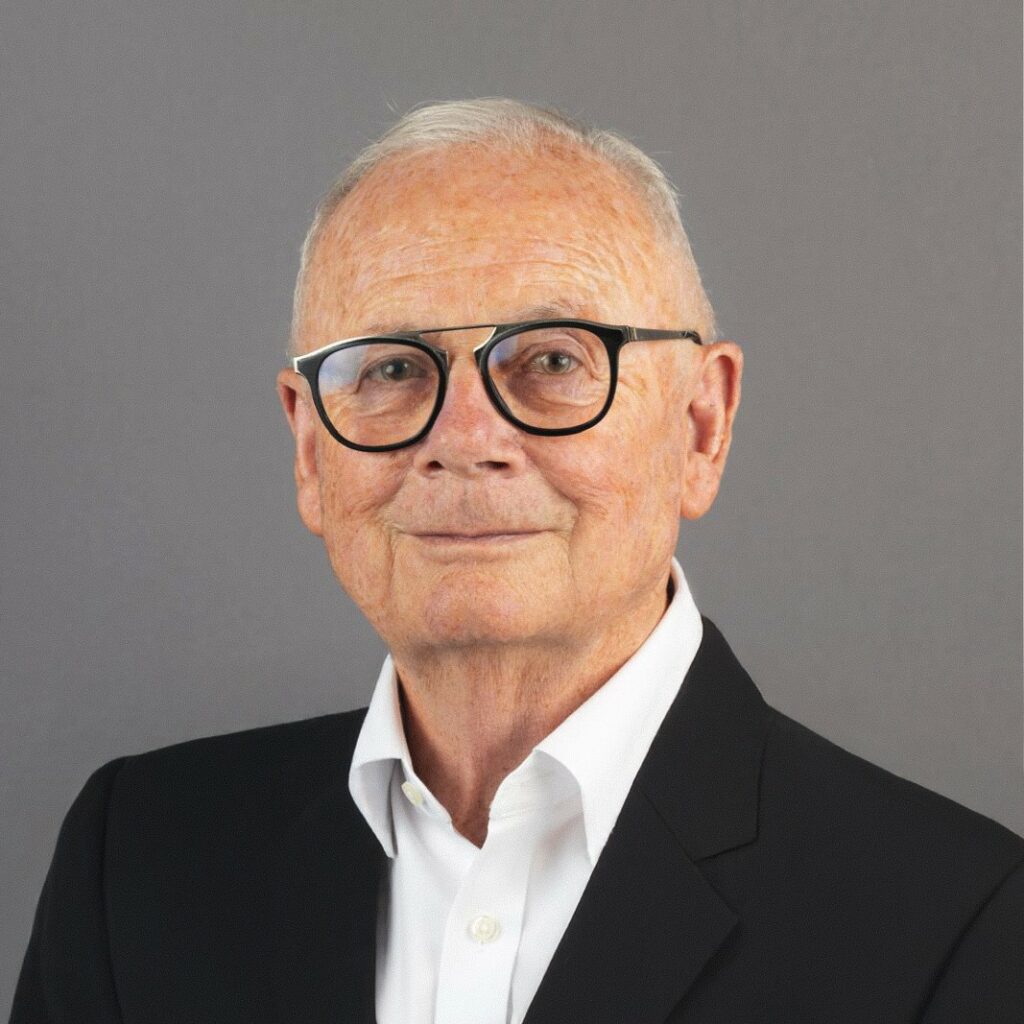
Prof Garry Jennings AO
Paul Korner Awardee Lecturer
Prof Garry Jennings AO
Garry Jennings AO is a cardiologist, researcher and a former President of the Society. He co‑chaired the 2023 Australian Cardiovascular Disease Risk Prediction Guideline and, in 2026, led steering groups for the Australian Hypertension and Lipid Guidelines as well as the national Obesity and Cardiovascular Disease consensus project.
He is Chief Medical Advisor of the National Heart Foundation of Australia and a Life Governor of the Baker Heart and Diabetes Institute, where he was Director and CEO for 14 years. His previous leadership roles include Director of Cardiovascular Medicine at The Alfred Hospital and Executive Director of Sydney Health Partners.
Early in his career, working under Paul Korner, Professor Jennings established the dose–response relationship between physical activity and blood pressure. In collaboration with Murray Esler and colleagues, he also helped clarify the role of sympathetic nervous activity in hypertension and heart failure. Professor Jennings has contributed to landmark international studies. With more than 700 peer‑reviewed publications and over 60,000 citations, he continues to advance cardiovascular health through research, clinical practice, and national policy leadership.

Prof Martin Schultz
Colin I Johnston Lecturer
Prof Martin Schultz
Professor Martin Schultz is the Deputy Head, Department of Rural Health at the University of Melbourne, and Adjunct Professor at the Menzies Institute for Medical Research, University of Tasmania. He is an Accredited Exercise Physiologist (AEP) and undertakes research in the area of clinical cardiovascular physiology with a focus on exercise and its role in the identification of cardiovascular risk. Prof Schultz's research program has been focused on building key evidence and data that supports the role of exercise in the prevention, detection and management of high BP, with particular emphasis on measuring BP during clinical exercise testing. He has recently led a large national collaboration (the EXERcise stress Test collaboratION, the 'EXERTION' study) linking exercise BP to CVD outcomes, highlighting the important role of considering cardiorespiratory fitness for clinical interpretation of exercise BP, along with publication of key clinical considerations for the measurement of exercise BP, and care pathways for the exercise professions to take an active role in the identification and management of high BP. Prof Schultz has published >100 scientific papers, has been awarded >$3 million in competitive research grants and fellowships, and has supervised >10 HDR students through to completion. Prof Schultz has also been highly active in supporting the initiatives of Hypertension Australia, with various roles on the executive committee as well as the National Hypertension Taskforce.

Dr Emily Haseler
BIHS Lecture
Prof Martin Schultz
Dr Emily Haseler is a paediatric nephrology trainee at Guy's and St Thomas' NHS Foundation Trust and King's College London, with a clinical and research focus on primary hypertension and cardiovascular risk in young people.
Alongside her clinical training, Emily is finishing a Medical Research Council-funded PhD examining whether cardiac or vascular haemodynamics predominate in the earliest stages of hypertension. Her work combines large-scale epidemiological approaches with detailed cardiac MRI-based phenotyping and experimental manipulation of the cardiovascular system.
Emily is driven by a commitment to translating these mechanistic insights into earlier, more targeted prevention and intervention strategies for hypertension in children and young people

Prof Jean-Philippe Empana
RD Wright Lecturer
Prof Amy Brodtmann
(MBBS, FRACP, PhD, FANZAN)
Professor Jean-Philippe Empana is leading the Integrative Epidemiology of cardiovascular diseases at the INSERM Paris Cardiovascular Research Centre, Université Paris Cité, Paris, France. With his team, he's coordinating aetiological research and intervention works for NCD and primarily cardiovascular diseases (CVD) in the community. Firstly, he's looking at the predicting value of novel biomarkers for CVD including blood biomarkers and vascular ageing biomarkers. Secondly, he's addressing the clinical relevance and effectiveness of primordial prevention of CVD and NCD using a lifecourse approach. Thirdly, he's investigating the distribution, risk factors, trends and he’s planning interventions for NCDs in low and middle- income countries using a global health approach. Over the last 5 years, he has been actively engaged in the Circle U European alliance where he's coordinating the activities of the knowledge hub on Global Health. He has been adjunct Professor at the Menzies Institute for Medical Research, University of Tazmania, where he's been collaborating with Dr R Climie and Pr J Sharman since 2017. He’s the author of more than 250 international peer-reviewed articles. He’s the PI of the Paris Prospective Study III, a community-based study on 10,000 volunteers followed since 2008 on the novel biomarkers for future CVD.
Prof Garry Jennings AO
Paul Korner Awardee Lecturer
Prof Garry Jennings AO
Garry Jennings AO is a cardiologist, researcher and a former President of the Society. He co‑chaired the 2023 Australian Cardiovascular Disease Risk Prediction Guideline and, in 2026, led steering groups for the Australian Hypertension and Lipid Guidelines as well as the national Obesity and Cardiovascular Disease consensus project.
He is Chief Medical Advisor of the National Heart Foundation of Australia and a Life Governor of the Baker Heart and Diabetes Institute, where he was Director and CEO for 14 years. His previous leadership roles include Director of Cardiovascular Medicine at The Alfred Hospital and Executive Director of Sydney Health Partners.
Early in his career, working under Paul Korner, Professor Jennings established the dose–response relationship between physical activity and blood pressure. In collaboration with Murray Esler and colleagues, he also helped clarify the role of sympathetic nervous activity in hypertension and heart failure. Professor Jennings has contributed to landmark international studies. With more than 700 peer‑reviewed publications and over 60,000 citations, he continues to advance cardiovascular health through research, clinical practice, and national policy leadership.
Prof Martin Schultz
Colin I Johnston Lecturer
Prof Martin Schultz
Professor Martin Schultz is the Deputy Head, Department of Rural Health at the University of Melbourne, and Adjunct Professor at the Menzies Institute for Medical Research, University of Tasmania. He is an Accredited Exercise Physiologist (AEP) and undertakes research in the area of clinical cardiovascular physiology with a focus on exercise and its role in the identification of cardiovascular risk. Prof Schultz's research program has been focused on building key evidence and data that supports the role of exercise in the prevention, detection and management of high BP, with particular emphasis on measuring BP during clinical exercise testing. He has recently led a large national collaboration (the EXERcise stress Test collaboratION, the 'EXERTION' study) linking exercise BP to CVD outcomes, highlighting the important role of considering cardiorespiratory fitness for clinical interpretation of exercise BP, along with publication of key clinical considerations for the measurement of exercise BP, and care pathways for the exercise professions to take an active role in the identification and management of high BP. Prof Schultz has published >100 scientific papers, has been awarded >$3 million in competitive research grants and fellowships, and has supervised >10 HDR students through to completion. Prof Schultz has also been highly active in supporting the initiatives of Hypertension Australia, with various roles on the executive committee as well as the National Hypertension Taskforce.
Dr Emily Haseler
BIHS Lecture
Prof Martin Schultz
Dr Emily Haseler is a paediatric nephrology trainee at Guy's and St Thomas' NHS Foundation Trust and King's College London, with a clinical and research focus on primary hypertension and cardiovascular risk in young people.
Alongside her clinical training, Emily is finishing a Medical Research Council-funded PhD examining whether cardiac or vascular haemodynamics predominate in the earliest stages of hypertension. Her work combines large-scale epidemiological approaches with detailed cardiac MRI-based phenotyping and experimental manipulation of the cardiovascular system.
Emily is driven by a commitment to translating these mechanistic insights into earlier, more targeted prevention and intervention strategies for hypertension in children and young people