Lab Spotlight: Cardiometabolic Health and Exercise Physiology, Baker Heart and Diabetes
The Cardiometabolic Health and Exercise Physiology team at Baker Heart and Diabetes Institute is advancing research into the prevention and treatment of cardiometabolic disease through exercise interventions, integrative physiology techniques, and novel therapeutics. Their current work explores the neural and autonomic drivers of blood pressure control in conditions including hypertension, Long COVID and ME/CFS, while also investigating how exercise can protect cardiovascular health across the lifespan.
What is your team's vision?
The prevention and treatment of cardiometabolic disease leveraging exercise interventions, novel therapeutics and integrative physiology techniques.
Who are the key team members working on hypertension research?
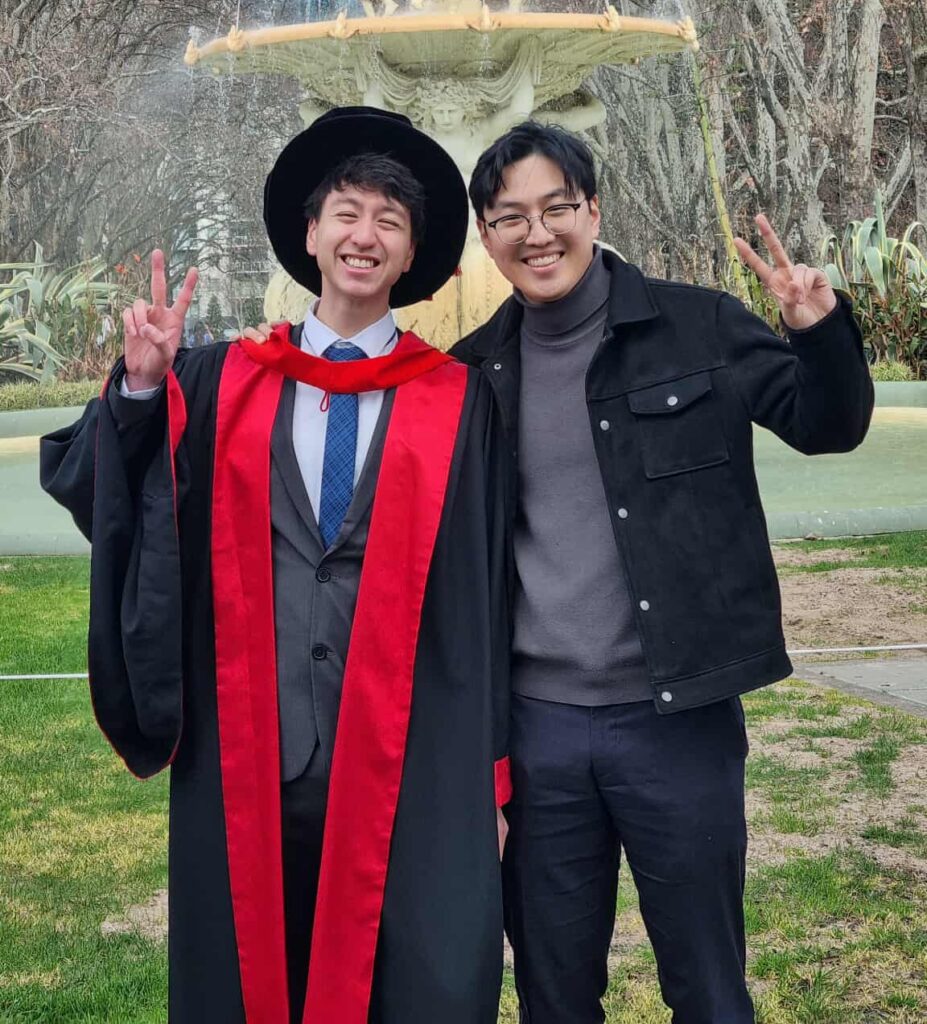
Dr Donggyu Rim, Dr Brendan McCarthy, Dr Jack Talbot, Dr Sarah Alexander, Ms Lauren Burnham, Mr Evan Millon, Mr Gianni Sesa-Ashton, Ms Naomi Werner, Ms Goli Farahani, Mr Des Fankhauser, Ms Lexi Licheni working alongside group leaders Dr Kegan Moneghetti and Dr Sarah Gutman with laboratory head A/Prof Erin Howden.
What makes your approach to hypertension research unique?
Our group has several different domains dedicated to the prevention and treatment of cardiometabolic disease.
- Exercise training to improve cardiovascular function in cancer survivors
- Women’s cardiovascular health, using hormonal and exercise interventions
- Autonomic determinants of blood pressure control
Leveraging exercise as a window and treatment for cardiometabolic disease
What hypertension research is your team currently working on?
Our group is investigating novel brain regions which govern blood pressure control in essential and resistant hypertension, as well as reflex blood pressure control in patients with postural orthostatic tachycardia syndrome, ME/CFS and Long COVID in our FRIENDS study.
We are also exploring the role of exercise along the lifespan of female endurance athletes in protecting vascular function as we age. Likewise, we are exploring the sympathetic determinants of the blood pressure response to exercise to better characterise how we activate our fight or flight systems to meet exercise demand.
What's on the horizon for your team?
We plan to continue our work using ultra-high field MRI to better understand the neural circuitry which drives sympathetic overdrive across the cardiovascular disease spectrum. Likewise, we plan to utilise innovative integrative physiology techniques to characterise cardiac energetics in patients with patients with heart failure.